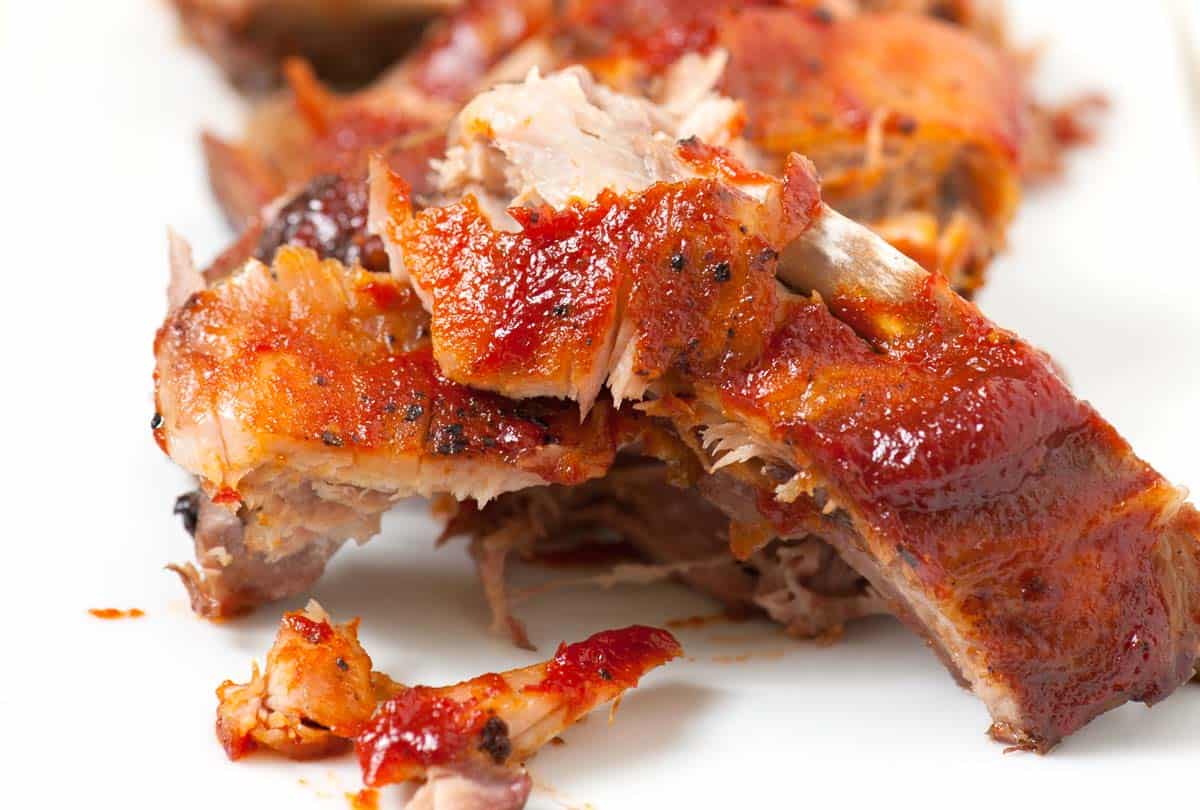
There's something uniquely satisfying about perfectly cooked pork ribs: that glistening, caramelized crust giving way to succulent, tender meat that practically melts off the bone. While barbecue joints often boast about their smokers, achieving this same mouthwatering result right in your own kitchen oven is not just possible but surprisingly straightforward. The secret lies in understanding two critical variables: temperature and time. Mastering these elements allows you to transform humble racks of ribs into an unforgettable feast, whether you're hosting a family gathering, enjoying a cozy night in, or simply craving that irresistible smoky-sweet flavor.
This comprehensive guide will demystify the art of cooking incredible pork ribs in oven, walking you through everything from selecting the right type of rib to applying the perfect cooking techniques and temperatures. Get ready to impress your taste buds and your guests!
Understanding Your Ribs: Baby Back vs. Spare Ribs
Before you even preheat your oven, knowing the characteristics of the pork ribs you're working with is essential. Different cuts demand slightly different approaches, directly impacting their final taste and texture.
Baby Back Ribs
Also known as loin ribs, baby back ribs are sourced from the top of the pig's rib cage, closer to the loin. They are generally:
- Smaller and more curved: This gives them their distinctive shape.
- Leaner: With less fat than spare ribs, they tend to be more tender and cook faster.
- Higher meat-to-bone ratio: Offering substantial meat on each bone.
- Often pricier: Due to their desirability and cut.
Baby back ribs are a fantastic choice when you're looking for a quicker cook time or prefer a less fatty rib. They respond beautifully to both low-and-slow and slightly higher-temperature methods.
Pork Spare Ribs
Pork spare ribs come from the belly section of the pig, extending around the side. These are the larger, flatter, and meatier counterpart to baby backs:
- Longer and heavier: Often sold as whole racks, sometimes trimmed into "St. Louis-style" ribs.
- Richer flavor: Due to a higher fat content and more connective tissue.
- Require longer cooking times: The extra fat and connective tissue need more time to break down into tender succulence.
- Economical: Generally more budget-friendly than baby backs.
Spare ribs are ideal for those who love a robust, fatty, and intensely flavored rib that benefits immensely from a patient, low-and-slow cooking approach. Regardless of your choice, remember to remove the thin membrane (silver skin) from the bone side of the ribs before cooking; it's tough and prevents flavors from penetrating.
The Core Principle: Temperature & Time for Perfect Tenderness
The magic of transforming tough connective tissue into succulent, fall-apart meat in your pork ribs in oven lies in the delicate interplay of temperature and time. This combination allows collagen to slowly melt into gelatin, resulting in that coveted tender texture.
Low and Slow: The Path to Unrivaled Tenderness (225°F – 250°F)
This method is the gold standard for truly tender ribs, especially for fattier spare ribs. The benefits are numerous:
- Collagen Breakdown: Low heat over an extended period (typically 3-5 hours for baby backs, 4-6 hours for spare ribs) allows tough connective tissues to slowly break down into gelatin without drying out the meat.
- Fat Rendering: Fats render gradually, basting the meat in its own flavorful juices, leading to incredible moisture and richness.
- Even Cooking: The gentle heat ensures the ribs cook evenly from edge to center.
While this method demands patience, the reward is melt-in-your-mouth ribs that are worth every minute. This is often the preferred technique for achieving "fall-off-the-bone" perfection.
Higher Heat, Faster Results: When Time is of the Essence (300°F – 350°F)
When you're short on time, a slightly higher temperature can still yield delicious results, particularly with leaner baby back ribs.
- Accelerated Cooking: At 300°F-350°F, baby back ribs can be ready in 2-3 hours, while spare ribs might take 3-4 hours.
- Moisture Retention: While quicker, you'll need to be more vigilant to prevent drying. Techniques like wrapping in foil (discussed below) are highly recommended.
- Still Tender: You can still achieve good tenderness, though it might be more "pull-off-the-bone" rather than "fall-off-the-bone."
This method is ideal for spontaneous cravings or when you simply don't have all day. Always use a meat thermometer to ensure internal safety (145°F) and check for visual cues of doneness.
Master Techniques for Perfect Oven Pork Ribs
Beyond temperature and time, specific techniques can elevate your pork ribs in oven from good to unforgettable.
The Foil-Wrapped Method: Steaming to Succulence
This is arguably the most foolproof way to guarantee tender, moist ribs in the oven. Wrapping the ribs tightly in foil creates a steamy environment that locks in moisture and gently breaks down the meat.
- Preparation: Preheat your oven to your desired temperature (e.g., 225°F for spare ribs, 325°F for baby back ribs). Remove the silver skin and generously season your ribs with your favorite dry rub.
- Flavor Infusion (Optional but Recommended): For an extra layer of flavor and moisture, you can add a splash of liquid inside the foil before sealing. Options include apple cider, beer, chicken broth, or even a little apple cider vinegar. This braising liquid infuses flavor and creates extra steam.
- Wrap Tightly: Place the seasoned ribs (and liquid, if using) on a large sheet of heavy-duty aluminum foil, then wrap them very tightly to create a sealed packet. Ensure no steam can escape. You might use two layers of foil for extra security.
- Bake: Place the foil-wrapped ribs on a baking sheet (to catch any potential leaks) and bake for the designated time based on your chosen temperature and rib type. For general guidance, baby backs at 325°F take around 2-2.5 hours, while spare ribs at 225°F could take 4-5 hours.
- The Finishing Touch: Once cooked through and tender (internal temperature should reach at least 145°F, but aim for 190°F-205°F for fall-off-the-bone), carefully unwrap the foil. Drain any excess liquid. At this point, you can brush them with barbecue sauce and return them to the oven (or under the broiler) for 15-30 minutes to caramelize the sauce. This final step creates that desirable sticky, glazed exterior.
For more detailed insights on achieving ultimate tenderness, dive into our guide on Achieve Fall-Off-The-Bone Oven Pork Ribs Every Time.
The Dry Rub vs. Marinade Debate
Both dry rubs and marinades add incredible flavor to your ribs, and your choice often comes down to personal preference and desired outcome:
- Dry Rubs: A blend of spices (paprika, garlic powder, onion powder, brown sugar, chili powder, salt, pepper) applied directly to the meat. They create a flavorful crust and are often preferred for their simplicity and ability to enhance the meat's natural flavors. Apply generously and let it sit for at least 30 minutes, or ideally several hours/overnight, in the fridge.
- Marinades: A liquid mixture (often acidic, like vinegar or citrus juice, with oil, herbs, and spices) that tenderizes the meat and infuses flavor deep within. Marinades require longer soaking times (minimum 4 hours, up to 24 hours) and can add significant moisture.
Why not both? Some cooks will use a marinade for tenderizing and deep flavor, followed by a dry rub for a crust and extra seasoning before cooking.
The Finishing Touch: Saucing and Caramelization
The sweet and tangy glaze of barbecue sauce is a hallmark of great ribs. However, timing is everything when it comes to applying it:
- When to Sauce: Apply your barbecue sauce in the last 15-30 minutes of cooking. If you apply it too early, the sugars in the sauce will burn, leading to a bitter, charred exterior rather than a beautiful caramelization.
- How to Sauce: Unwrap your ribs, brush generously with your favorite sauce, and return to the oven (or under the broiler) at a higher temperature (e.g., 375-400°F or broiler setting). Flip and re-sauce every 5-10 minutes, building up layers of sticky goodness until the sauce is caramelized and glossy.
Whether you opt for a homemade masterpiece or a beloved store-bought brand, this final step seals in the flavor and creates that irresistible sticky coating. For more secrets on selecting and applying the perfect BBQ sauce, explore our article on Baby Back vs. Spare Ribs: Best Oven Methods & BBQ Sauce Secrets.
Essential Tips for Irresistible Pork Ribs in Oven
- Internal Temperature vs. Tenderness: While 145°F is the safe minimum internal temperature for pork, truly tender ribs will generally reach 190°F-205°F, allowing the connective tissues to fully break down. Use a reliable meat thermometer.
- The Bend Test: A classic indicator of doneness is when you pick up one end of a rib rack with tongs, and the rack bends significantly, almost breaking. If it's stiff, it needs more time.
- Resting Period: Just like any cooked meat, ribs benefit from resting. After removing them from the oven, let them sit, loosely tented with foil, for 10-15 minutes. This allows the juices to redistribute, resulting in a more moist and flavorful rib.
- Don't Rush Perfection: Especially with the low-and-slow method, patience is paramount. Opening the oven door frequently or trying to speed up the process can lead to dry, tough ribs. Trust the process.
- Experiment: The beauty of cooking at home is customization. Don't be afraid to try different spice rubs, explore unique braising liquids, or even experiment with various barbecue sauces. Find what truly tantalizes your taste buds!
Conclusion
Cooking succulent pork ribs in oven is an achievable culinary triumph for any home cook. By understanding the nuances between baby back and spare ribs, mastering the crucial relationship between temperature and time, and employing techniques like the foil-wrapped method, you can consistently produce ribs that rival your favorite barbecue joint. So, gather your ingredients, preheat your oven, and prepare to delight in the incredible tenderness and rich flavors of perfectly cooked oven pork ribs. Happy cooking!
